 New for 2026
Risen Groundbreaker
4.8(120)
$94.00$129.0027% off
Groundbreakers
A groundbreaker is the cheapest shot in the yard that makes a car slow down. Most of them are set wrong. Here is the placement, the depth and the light that make it read.

From the street nobody sees the paint job. They see a shape coming out of the ground where a shape should not be. So the whole job is making the shape read: put it where the lawn is flat and open, angle it toward the direction traffic comes from, and keep at least six feet of clear grass around it. A groundbreaker crowded against a bush, a mailbox or a tombstone disappears into the clutter.
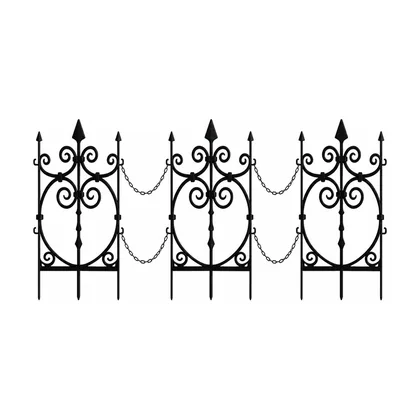
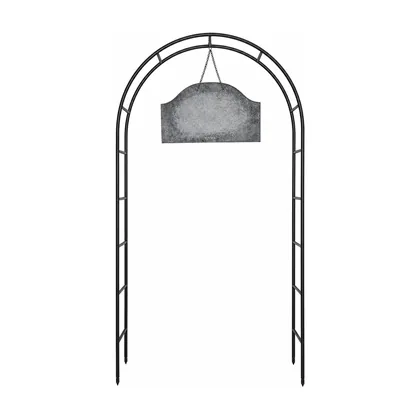
One groundbreaker is a joke. Two, spaced eight to ten feet apart, is a plot. Put a headstone behind each one, offset so the stone is not directly behind the figure, and the eye connects them into a graveyard without a single extra prop. If you have an archway or a fence section, it goes at the front edge, and the groundbreakers go behind it, not in front, so the fence frames them.
Skip the fog on a groundbreaker unless it is chilled fog that stays down. Warm fog rises and hides exactly the part you buried it to show. Skip the strobe; it makes the figure flicker in and out and the brain stops reading it as a shape. And skip putting it on a slope facing away from the street. You paid for the front of it.
Shop the guide
New for 2026 27% off
 27% off
 27% off
 34% off
 31% off
 25% off
 27% off