 Wind-tested
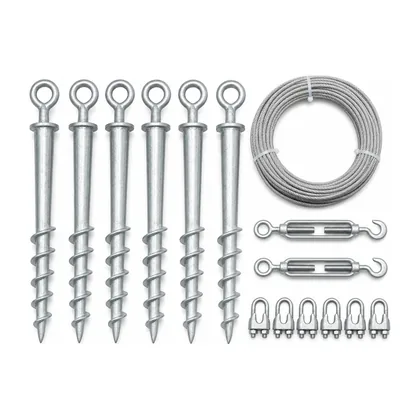
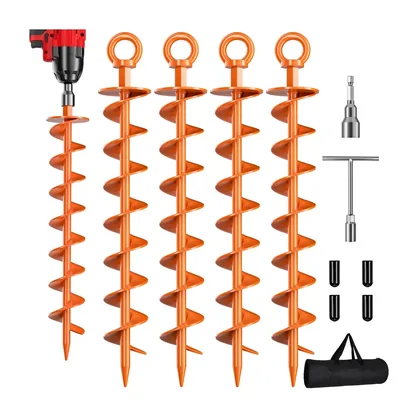
Ground-Lock Anchor Kit, 12 stakes
4.8(120)
$79.00$109.0028% off
Wind-tested
A 12-foot figure is a sail. The four wire pins taped to the box are not an anchor, they are a suggestion. Here is what actually holds.
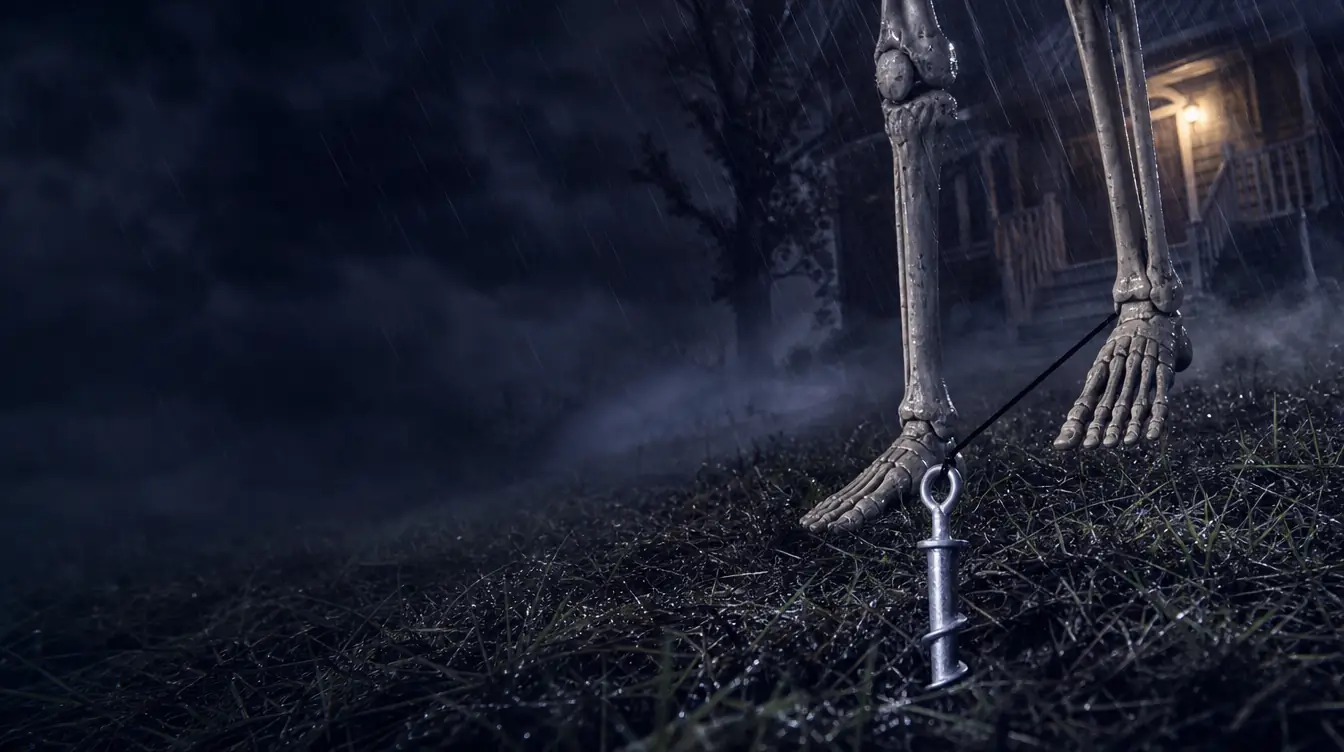
It is almost never the prop that fails. A 12-foot skeleton has roughly 20 square feet of frontal area, and a 25 mph gust pushes on that with about 30 pounds of force, applied high, on a base that is maybe two feet wide. The plastic pins in the box are four inches long. They pull out of wet October soil with two fingers. Every skeleton face-down on a lawn the morning after a front came through went down the same way: the base held, the top did not, and the leverage did the rest.
Push a screwdriver into the lawn where the figure will stand. If it sinks with no effort, you have soft fill and you need long stakes and a wide footprint. If it stops at an inch, you have clay or compacted soil, and helical stakes will bite well but you will want a driver bar. If you are on a paved driveway or a deck, forget stakes entirely and go straight to ballast: sandbags or water-filled base weights strapped to the frame, 40 pounds minimum per side for a 12-footer.
Walk the yard the morning after the first windy night and re-tension every line. New stakes settle, and a line that was tight on Saturday is slack by Tuesday. If a named storm is forecast, take the head and arms off and lay the torso down. It is a ten-minute job and it beats a replacement order in the last week of October, when nothing ships in time.
Shop the guide
Wind-tested 25% off
 29% off
 26% off
 Wind-tested
 26% off